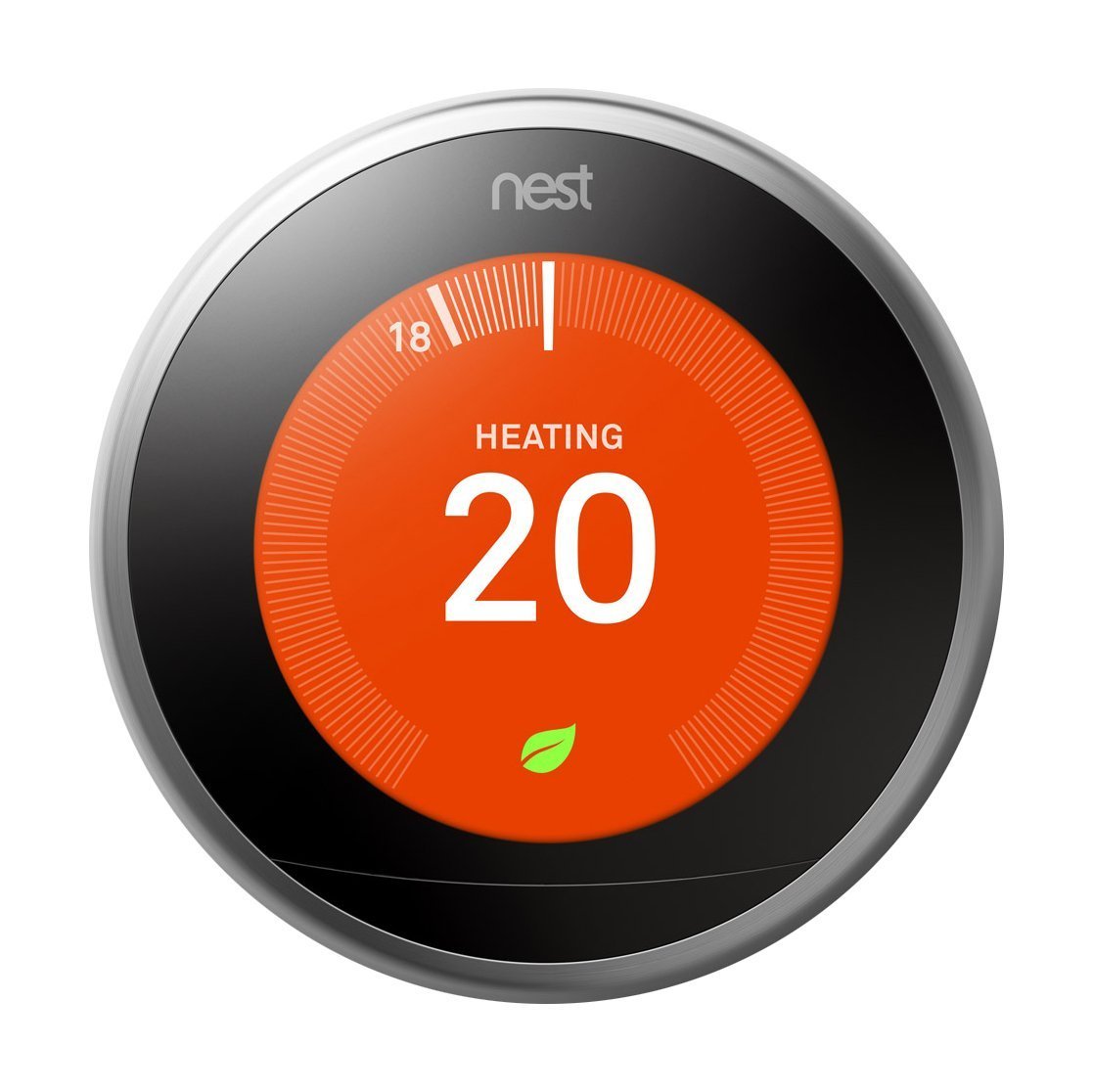
In a move that has left many long-time Nest users fuming, Google has confirmed that as of October 25, 2025, it will end software support for its first- and second-generation Nest Learning Thermostats. For homeowners in Trafford, Manchester, and Warrington who invested in these premium devices, this feels like nothing short of betrayal.
The Announcement and User Betrayal
From October 25, 2025, these devices will no longer appear in the Google Home or Nest app; remote control—via phone or Google Assistant—is officially dead. For many, this feels like a betrayal. After all, these were premium devices. The original Nest Learning Thermostat launched in 2011, followed by the 2012 (and 2014 European) versions—sophisticated, beautifully engineered, built to last.
Owners paid a substantial sum (hundreds of pounds), choosing a thermostat that promised not just longevity in hardware, but an ecosystem in which their investment continued to evolve. Now, Google is effectively turning that intelligent, connected device into a very expensive, "dumb" dial.
It's not just losing a few bells and whistles: key features like remote control, voice control, third-party assistant support, and Home/Away modes are being stripped away. Users will be forced to rely solely on manual temperature adjustment and in-device schedules. Google's own support page admits as much: despite the loss of connectivity, you can still change the temperature or schedule, but only by physically interacting with the thermostat.
For those who believed they were buying a durable smart investment, the rug has been pulled.
The Irony of Data Collection
Perhaps the most galling part of Google's decision is not just what's being taken away—but what's being kept. According to security researcher Cody Kociemba, these now "unsupported" devices will continue sending diagnostic logs to Google. That data includes surprisingly personal and sensitive details: manual temperature changes, presence detection, even when sunlight hits the thermostat.
Be Warned
Google has disabled your ability to meaningfully use the thermostat as intended—but preserved its own ability to mine data from that thermostat. As Google put it: "diagnostic logs, which are not tied to a specific user account, will continue to be sent … for service and issue tracking."
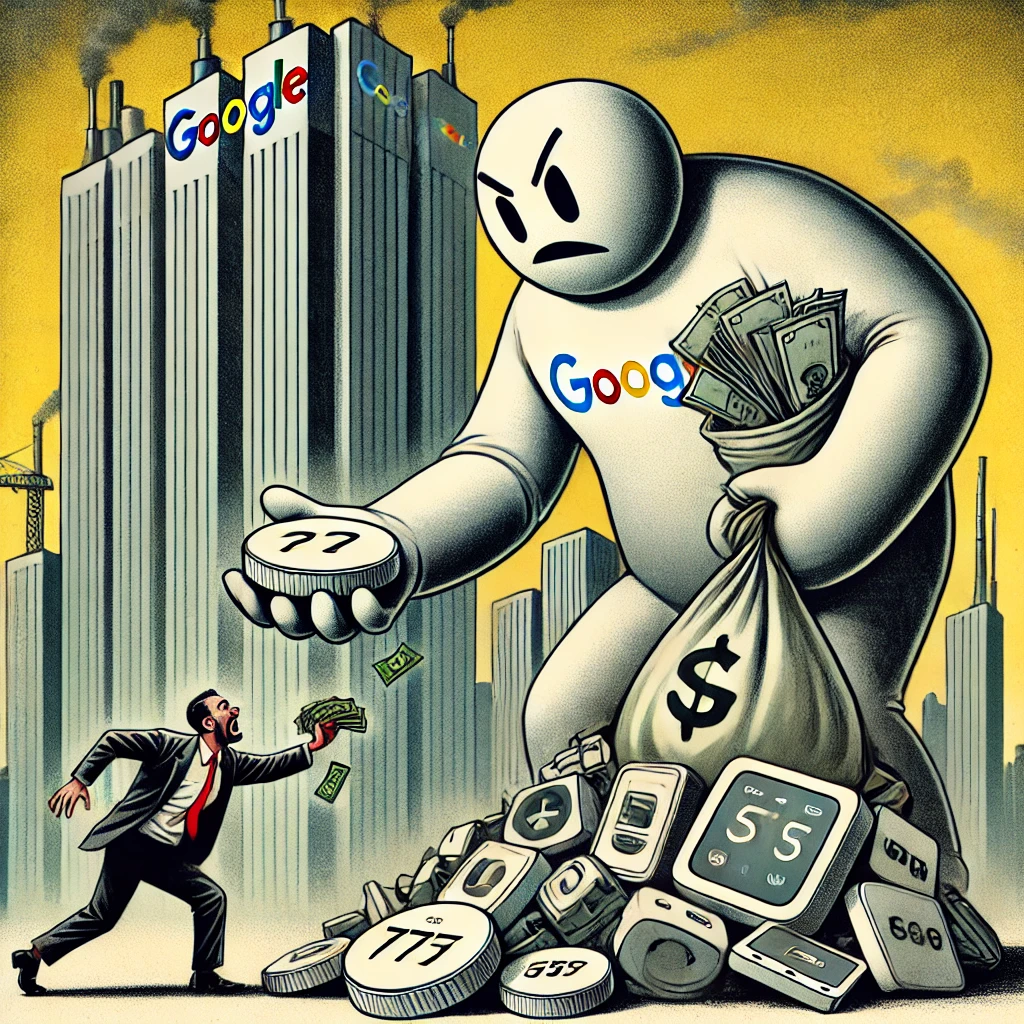
This is the ultimate inversion of value: the user loses control and functionality, while the corporation retains the data-stream. You paid for smart hardware — now it's dumb, but Google still gets to listen in.
The E-Waste Angle
Beyond the emotional and functional betrayal, there's a serious environmental cost. By ending support, Google is effectively shortening the useful lifespan of these devices. These aren't throwaway plastic gadgets. These are well-made, solid-state thermostats designed for years of use. Yet, after more than a decade, their smart capabilities are being pulled, and for many, that renders them obsolete—or at least much less useful.

When people feel betrayed by the company and see little value left in what they bought, the risk is very real: devices might be discarded, replaced, or just left to gather dust. That contributes directly to electronic waste (e-waste), a mounting global problem. Google's decision forces a choice: either keep a now-degraded thermostat or buy a newer model. In either scenario, the old device may eventually head to landfill.
It's especially troubling because this is not a hardware failure. The device is still functional. It's perfectly capable of controlling temperature and following schedules. But Google has made the smart features the linchpin — remove them, and the rest feels hollow. That breaks the whole premise of "long-term, premium smart home investment."
A Warning to Consumers
This episode is a stark reminder: when you buy a "smart" device that depends on cloud services, you are not just buying the hardware—you are (implicitly) renting services. And as Google just showed, those services can be revoked at any time, even for devices that are still fully functional in a physical sense.
Questions to Ask Before Buying Smart Devices
- What happens if the vendor discontinues support?
- Is there a local-only mode, or do some features rely entirely on the cloud?
- Is there a fallback or local API for third-party / open-source alternatives?
- Can the device function without internet connectivity?
If there's no resilient local control, you risk buying something brilliant today that becomes a liability—or a liability to the environment—tomorrow.
The Apple Comparison
Contrast Google's move with how Apple handles end-of-life for its devices. When an iPhone or iPad finally stops receiving iOS updates, the hardware doesn't become useless. It still makes calls, takes photos, runs apps. Yes, you lose some of the latest features—but the core functions remain. Your investment in the hardware isn't entirely undercut overnight.
Google's approach to Nest here is much more aggressive. By cutting off cloud-based functionality, it is removing what made these devices "smart" in the first place. The hardware itself — beautifully engineered as it may be — is effectively downgraded.
Moreover, Apple's ecosystem often supports care for older devices via security updates for years, even if the newest features go to newer models. With Nest Gen 1 and Gen 2, Google is doing the opposite: removing features and pushing users toward newer purchases.
What Should Nest Owners Do?
If you're a Nest Gen 1 or Gen 2 owner in the Trafford, Manchester, or Warrington area, you have several options:
- Keep using it manually – The thermostat still works for basic temperature control and scheduling, just without remote access.
- Upgrade to a newer Nest – Though this rewards Google's planned obsolescence strategy.
- Switch to alternative systems – Consider brands with better track records for long-term support or local control options.
- Explore open-source solutions – Home Assistant and similar platforms offer local control that doesn't depend on cloud services.
As a smart home installer covering Greater Manchester, I'm increasingly recommending systems with strong local control capabilities. If you need help migrating away from Nest or setting up a more future-proof smart heating system, get in touch.
Conclusion
Google's decision to end support for the first- and second-generation Nest Learning Thermostats is more than just a product update—it's a betrayal of trust, a data-collection double standard, and a worrying signal for the future of smart home longevity.
For users who invested in a premium, long-lasting device, the message is clear: even "smart" hardware can be rendered obsolete if its cloud connection is severed. For consumers broadly, it's a cautionary tale about the risks of tying your most critical home infrastructure into a service you don't control.
Ultimately, this sets a dangerous precedent: what starts as a high-end, durable piece of technology can become a disabled shell when the company decides. If we are serious about sustainability, consumer rights, and trust in the smart home, Google's move should be a wake-up call—not just for Nest owners, but for everyone who's bought into the IoT dream.